Beef Eshort Ribs With Salted Egg

It seems that no steak dining experience is complete without steak sauce! Whether you opt for a standard brown steak sauce or a unique chef-inspired creation, these sauces provide your steak with a strong flavor that accentuates the taste of the beef.
While every diner has their own preferred steak sauce, it goes without saying that some sauce varieties have gained great popularity thanks to their distinctive flavors. Without further ado, here are some of the best types of steak sauce that you might wish to try during your next dining experience.
Peppercorn Sauce
This creamy steak sauce is primarily prepared using peppercorn (a plant which produces black pepper seasoning) and heavy cream, though other seasonings and even liquor (such as brandy or whisky) may be incorporated in some varieties of the sauce. This flavorful sauce isn't just used for filet mignon and other top-quality beef steak cuts; it is also a popular choice for chicken, fish, and lamb dishes.
Béarnaise Sauce
This French steak sauce is prepared in a manner similar to Hollandaise sauce, though it uses a slightly different set of ingredients to achieve its own unique flavor. The main ingredients of Béarnaise sauce are an egg yolk, clarified butter, white wine vinegar, shallot, peppercorn, and tarragon. The ingredients are mixed to produce a creamy, yellow steak sauce that adds a unique flavor to any steak. While this process may sound simple, however, it is worth noting that it requires great skill (and much practice) to perfect a Béarnaise sauce–similar to what is required to make a truly delicious Hollandaise sauce. It is said that some chefs take years to perfect their recipe.
Montreal Steak Seasoning
While not a steak sauce per se, this distinctive dry rub is a popular choice at many Montreal-area restaurants; so flavorful that diners who choose this seasoning often forgo a sauce entirely! While the exact mix varies from chef to chef, the standard Montreal steak seasoning includes garlic, Cayenne pepper flakes, coriander, salt, and dill seed.
Demi-Glace
Another French steak sauce, demi-glace is crafted by combining the strongly flavored espagnole sauce with a brown beef or veal stock. The two sauces are combined in equal amounts to create a distinctive, delicious glaze. While preparation of a true demi-glace can be somewhat time consuming (due to the boiling down of browned bones in the preparation of the espagnole sauce), demi-glace can last for six months when refrigerated without losing any of its flavor or quality.
Compound Butters
By mixing butter and other additional ingredients, many steakhouses are able to create their own unique, buttery sauce to add to the flavor of steak and other menu items. These "sauces" are typically made by whipping garlic, parsley, lemon juice, or other ingredients into butter. When it is time for a steak to be cooked, the chilled butter mixture is either melted on top of the meat or is used to add flavor to another sauce. Popular varieties include beurre à la bourguignonne and beurre blanc.
A1 Sauce
There are perhaps few steak sauce varieties more widely known than A1, which has gained a large following around the world since its introduction in 1831. According to one popular legend, the sauce gained its name when Henderson William Brand served an early version of the sauce to King Geroge IV. The King was so impressed with the sauce's flavor that he praised it as being "A1!" By sticking with a mix of tomato and raisin paste, distilled vinegar, dried garlic, and various herbs and spices, A1 has only grown in popularity thanks to its one of a kind flavor.

There are many cuts of steak available that are used at steak restaurants. From rump steak to tenderloin, each cut offers varying levels of flavor, marbling, and tenderness, and varying cuts are generally used for different types of dishes. While North American consumers may be familiar with filet mignon and and t-bone steak, they may not be quite as familiar with a French cut known as beef merlan.
But just because most North American diners aren't familiar with this cut of steak doesn't mean it isn't worth their time. So what is beef merlan, and how can it fit in with your beef steak dining experiences? Here's a closer look.
Beef merlan is a round cut taken from the central piece of the cattle's inner thigh in the area around the hip socket, close to the cut that is referred to as topside in North America. While quite popular in France, beef merlan isn't as well-known in other areas, despite its high quality. This cut of beef is typically leaner than other beef steak cuts, with less marbling than ribeye and other fattier types of steak. This gives beef merlan a strong flavor, while also ensuring that the meat doesn't house large pockets of fat.
Another distinctive feature of beef merlan is that it is typically sliced very thin, allowing it to cook quite quickly. The low fat content makes it easy to cut, which also speeds up the preparation process. Because of this, beef merlan and other cuts from the same area, such as top sirloin, are popular in restaurants.
Beef merlan can be cooked by grilling, broiling, or pan frying, and thanks to its relatively low fat content, burning and grill flare-ups are uncommon. As with other cuts of steak, beef merlan can be prepared with a coating of salt and pepper, or extra accompaniments such as bell pepper or garlic. Because it cooks so quickly and is less expensive than other cuts of meat, this thin cut of meat is used in a wide range of dishes–from economical steaks to and roasts to regional dishes such as Chicken Fried Steak. And just like other varieties of steak, it tastes even better with the addition of a specialty steak sauce!
Since beef merlan is easier to cook than other cuts of meat, it is also a popular choice for home cooking. While you may not be able to match the results of a professional chef, with beef merlan, you can enjoy a great tasting steak dinner in the comfort of your own home with much less stress and work. By lightly coating your beef merlan with salt and pepper and then pan searing each side of the steak, you can prepare your own delicious meal in a matter of minutes.
As with other cuts of red meat, beef merlan isn't merely part of a delicious fine dining experience –it is also an excellent source of protein, B vitamins, and several essential minerals. These nutrients help strengthen the immune system, increase red blood cell production, and promote muscle growth. While red meat is sometimes associated with unhealthy levels of fat and cholesterol, beef merlan's status as a leaner cut also means that consumers don't need to worry as much about the health issues associated with unhealthy levels of saturated fat consumption.
Because of how easy it is to cook and its relatively low fat content, beef merlan is gradually gaining popularity in North America and other areas. So why not try something different? The next time you go out to eat–or the next time you're buying steak for your own home cookout–see if you can find beef merlan. You won't be disappointed.
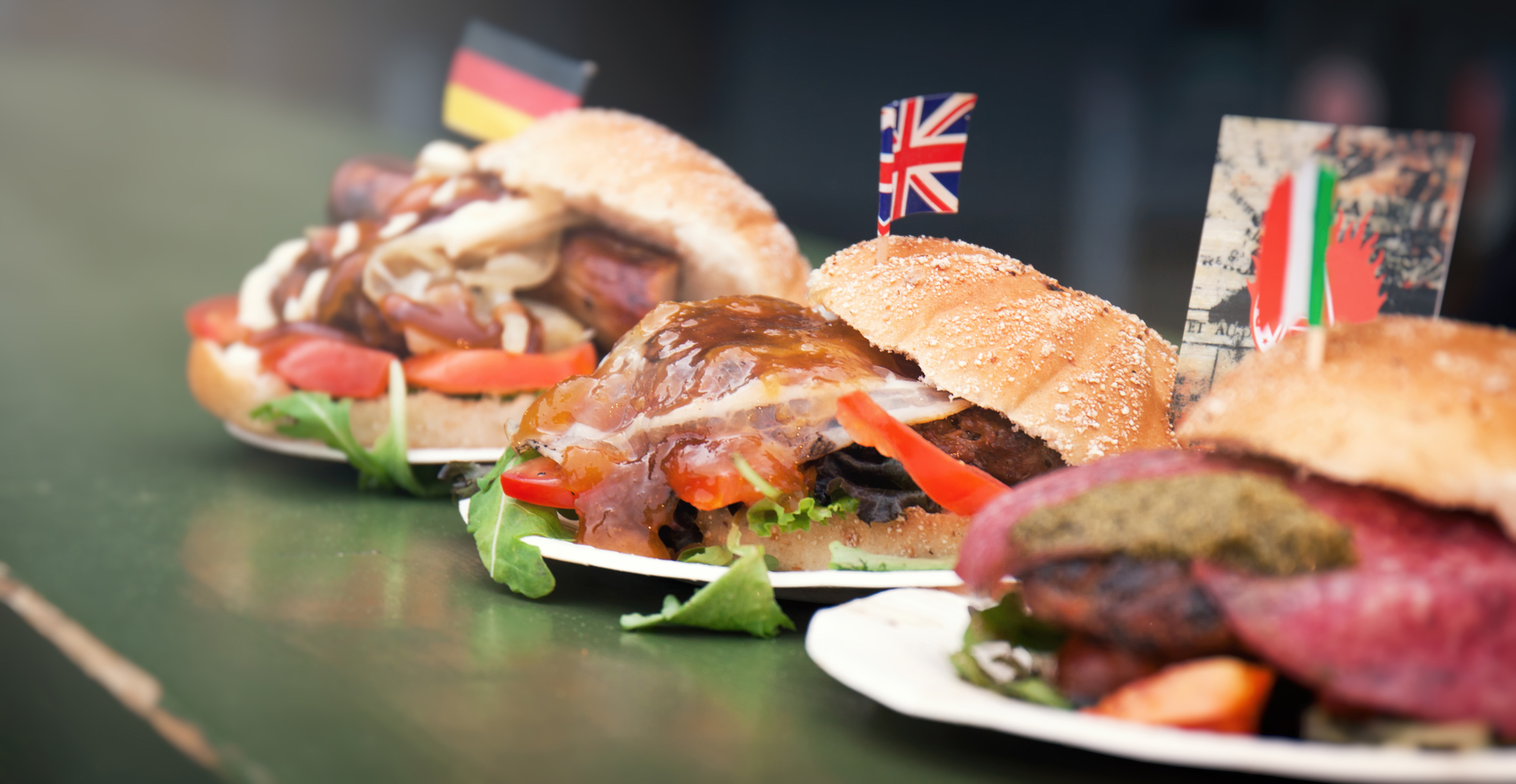
Few meals are more delicious than a juicy beef steak. Of course, the question of where to find the best beef steak is constantly debated by food aficionados around the globe. Many countries claim to have the best beef on the market–either due to the breed of cattle they use, the animals' diet, or another factor. But which places are truly the best?
Thankfully, no matter where your world travels might take you, there are many countries that produce high-quality beef steaks. Here is a look at some of the countries that offer the best beef steak in the world.
Argentina
While many people assume that the United States tops the world in beef steak consumption, that honor actually goes to Argentina, where residents consume an average of nearly 130 pounds of beef steak (per person) each year. The delicious flavor of Argentina's beef is largely attributed to its grass-fed cattle, which are raised by ranchers known as gauchos . Beef steak is so popular in Argentina that eating beef is considered to be part of the country's national identity. Steak portions that weigh over one pound are the norm, and asado (which is a traditional form of slow-cooking the steak with only salt for seasoning) is the country's national dish.
Ireland and the United Kingdom
Approximately half of all beef steak produced in Ireland is shipped to the neighboring United Kingdom, even though the U.K. has millions of its own cattle. A distinctive feature of cattle raised in these regions is that farmers generally use "pedigree bulls" to sire cattle with a consistent, quality flavor. Because the Aberdeen Angus and Hereford cattle are raised in an outdoor environment where they grow more slowly, beef steak from Ireland and the United Kingdom tends to have a more tender quality than other regions. Another item of interest: beef steak is most frequently served with chips (french fries), with shrimp cocktail as a popular appetizer before the main course.
United States
The United States and Canada are filled with great steakhouses, which often will allow choice cuts of beef steak to mature for up to four weeks before they are served to customers. This aging process brings added flavor to the meat, which is served in a variety of cuts–from rib eye and sirloin to t-bone and tenderloin. USDA prime beef is considered the top standard in domestic cuts of meat, which usually comes from corn-fed cattle. While this higher-quality beef (which usually has high levels of marbling) is more expensive than lower-graded cuts, it is also much more tender and flavorful. A wide variety of sides may be served with the steak, though "surf and turf" (pairing a beef steak with lobster) is a distinctly North American option. Lower-graded beef steak cuts are often used for stews, hamburger meat, fajitas, and other dishes, giving beef lovers plenty of opportunities to enjoy steak meat in locations other than a steakhouse.
Australia
Australia might not be the first country that comes to mind when you think of top-quality beef steak, but in 2015, a cut of Australia's Wagyu Angus steak was awarded the top prize in the inaugural World Steak Challenge, which featured entrants from 10 countries. Australia's arid climate is home to many grain-fed Wagyu and Angus cattle–two breeds that are renowned for producing flavorful, tender meat. Wagyu cattle are fed a high-grain diet for a period of 300 to 500 days before they are slaughtered, a process that causes their meat to become extremely marbled, resulting in a truly delicious cut of meat. In some parts of Australia, red wine is also added to the animals' feed to create a unique flavor. Most Australian restaurants serve their steaks medium-rare, unless a customer requests otherwise.

There is something very appealing about butcher shop meat cuts that make the conventional store packaged meat less desirable. Perhaps it's the fact that the meat is prepared locally. Maybe it's being able to actually see your meat up close and personal prior to packaging. There are a host of reasons why butcher shop meat is several grades above the rest.
If you are tired of searching for the best cuts of beef among the pre-packaged beef cuts at your local market, consider using a butcher for your meat cuts.
Butcher Shop Meat-Why Is It So Special?
You've probably heard people raving about the wonders of butcher shop meat. But, is it really that special? Is it worth the extra trouble to stand in line at a butcher to purchase some meat when you can easily get your meat from a local grocery store? Many would argue that butcher shop meat is many steps above the meat found in local supermarkets. But why is this ?
Butcher shop meat cuts are of a higher quality because the meat is directly purchased from farms instead of mass produced as with conventional grocery store meats. You get to see your meat up close and personal whereas with grocery store meat what you see in those little pre-packaged containers is not always what you get.
Also, purchasing meat from a butcher shop is an experience in itself. It is an experience that is largely very differently from buying meat from a grocery store in that it is more familiar and personal allowing you as the consumer to gain a better understanding of the meat products you buy.
Benefits of Purchasing Butcher Shop Meat
There are several benefits to purchasing butcher shop meats cuts. Some of the benefits include :
- – You get a personal experience where you can ask questions about the cuts of beef you are buying. This is rarely possible with conventional grocery store beef. You get to ask questions about the origins of the beef that you are purchasing which is important when you want to only consume the best meat products available.
- – You get to actually see cuts of meat up close and personal and select the cut of beef that you like. You also get to see a butcher prepare the meat in front of your eyes. It is possible to get cuts of meat that are not often available at local grocery stores.
- – Your meat is local when you buy from a butcher, so it is by far fresher than anything you could possibly get from the local grocery store. Your butcher is a great resource to learn more about different cuts of meat and how to prepare them.
These are just a few of the reasons why butcher shop meat cuts are always better than their grocery store counterparts.
The Woes of Grocery Store Meat
When you begin purchasing meat from a butcher and taste the difference in the meat, you will begin to question the meat from grocery stores. You have likely heard of the numerous tales of sickness and woes that accompany grocery store meat. From the recalls because of E.coli to claims of non-cow meat being passed off as beef, grocery store meat has earned a poor reputation over the years.
Brown meat colored pink to appear fresh, poor selections of meat, and unhealthy the living conditions of the animals used for meat are just some of the many woes associated with grocery store meat that have many turning to local butchers for high-quality meat cuts.
With butcher shop meat cuts, you are guaranteed to receive high-quality meat. Your local butcher is motivated to provide you with the best that they have to offer. They know meat very well, and they are always able to assist with advice on the best meat cuts for your specific needs. These are all things you can't get from grocery store meat which is why butcher shop meat cuts outshine their grocery store counterparts.

Tartar is a delicious and different way to enjoy beef. However, given that the appeal of this particular beef dish is that it is prepared raw, it is important to prepare it correctly.
There are certain cuts of beef that are most recommended when preparing beef tartar on your own at home. In many ways, tartar is a special dish that requires just the right type of beef to ensure that you are able to create restaurant quality tartar at home.
The following are tips on choosing and selecting several cuts of beef that you may want to consider creating a quality beef tartar from home.
Purchase Quality Meat
Before even considering which cuts of beef are best for a quality tartar, it's imperative to stress the importance of using quality meat. Because tartar is a dish that involves the consumption of raw meat, it is in your best interest to use only the highest quality meat. While you have the option of purchasing meat from a local grocery store, this is not the best option.
A dish such as a beef tartare requires the freshest meat possible preferably from your local neighborhood butcher. Getting your beef from a butcher ensures that your beef is fresh, and you can even see your meat before purchasing so that you can confirm the freshness.
When choosing to prepare beef tartar from home, skimping on quality is not something that you want to do. Getting quality cuts of beef from your local butcher ensures that you will enjoy your beef tartare free from many of the less than favorable conditions that you encounter from consuming raw meat that have been sitting around at your local grocery store.
Remember, for the best beef tartare, the freshest meat is the best meat.
Choosing Your Cuts of Beef
When selecting cuts of beef to make your tartar from home, you want the cuts that are the most tender and flavorful. This is especially true because you will not have the benefit of using various cooking methods such as braising to make the meat tender. Thus, selecting the most tender, flavorful cuts of beef is recommended.
Generally, you should avoid cuts of meat that contain a lot of connective tissue and sinews. You don't want to get a mouthful of the connective tissue and sinews as it can be unpleasantly chewy. If you are unsure which cuts of beef contain the least amounts of connective tissues and sinew, talk to your local butcher and let them know that you are interested in making beef tartar from home and you want the most tender cuts of beef available. They should be able to present cuts of beef that are most ideal.
Best Cuts of Beef for Tartar
Knowing that tender, flavorful beef is a prerequisite for preparing tartar, selecting the best cuts of beef is important. While there are a wide variety of cuts of beef, some are more preferable because of their tender texture and exceptional flavor that comes from high fat content. The high fat content is seen by the white marbling on high quality cuts of beef.
Some of the best cuts of beef for tartar include:
- – Tenderloin-This is by far your best cut of beef for tartar as it the most tender cut of beef and contains just the right amount of fat for flavor. This is the cut of beef that is used for filet mignon.
If you are unable to obtain tenderloin, other good options include:
- – Top-round
- – Top-sirloin
- – Eye-of-round
The cut of beef that you choose can literally make or break your homemade tartar. Make sure to choose high quality, grass-fed beef from your local butcher to ensure that you are getting the most tender, freshest beef available.

Beef…it can be the star of any meal. Whether prepared as a juicy steak or served as strips in a delicious steak fajita, beef is sure to be a delicious focal point of your next meal. While beef does have a distinctive taste, it is important to know which piece of beef is best for your particular dish.
In order to prepare beef dishes that really showcase the best of the beef that you are serving, it is important to understand the different qualities of beef as they are derived from the cow. A piece of beef is only as good as it is prepared. Knowing the best preparation for your beef will ensure that you are well-informed as to which pieces of beef are best to prepare for your meals.
The following are some of the best cuts of beef to use for stove or oven cooking. Be creative and consider all the different ways that you can prepare beef with your stove and/or oven.
Brisket
Derived from the lower chest area of a cow, brisket is a tougher cut of meat. In order to really enjoy this type of meat fully, the right cooking methods must be employed. When preparing brisket with a stove/oven, it is best to braise it first. Braising is the process of using both dry and wet heat to cook food. This type of meat is best cooked at a high temperature in a pan, and then transferred to a Dutch oven where it can then be slow cooked for a longer period of time. The liquids added to the Dutch oven or deep pan can vary as the slow cooking process not only adds flavor to the brisket but also makes it very tender.
Flank
Flank steak comes from the abdominal muscles of a cow. This type of steak has characteristic long fibers running through it. While it is a very flavorful cut of beef, it can be very tough. Thus, using a cooking method that adequately softens the texture is recommended.
Because this cut of beef has the tendency to burn easily at higher temperatures, braising is one of the best methods for preparation using your stove. Make sure you have a pan that is deep enough to contain the flank steak as well as the liquid used for braising. Cooking of this cut of beef should be done slowly to allow flavors to seep into the meat as well as to ensure that the meat is tender.
Chuck
The chuck cut of beef comes from the area of the cow that is above the rib. It can also include the shoulder. This cut of beef tends to be tough because of the muscles located on this portion of the cow. There are times where there are variations in the texture of chuck beef within the same cut.
In order to prepare this beef so that it is tender, stove cooking methods are preferable. Braising and broiling are recommended as they are very effective in creating tender chuck beef while adding flavor. If you marinate the chuck beef prior to cooking, this helps to tenderize the meat.
Broiling chuck beef requires that you place the marinated chuck beef on a pre-heated pan of choice and place it under the broiler. You must be careful to watch your chuck beef to ensure that it doesn't burn. This high-heat method of preparing your chuck beef will result in flavorful, tender beef that has a nice charred flavor.
Sirloin
Sirloin is one of the most diverse cuts of beef to prepare. It is highly preferred because it's not as tough as other cuts of beef. Derived from the rear portion of the cow, sirloin steak is divided into different cuts based on quality. The best portions are those with the marbled top. Sirloin beef is a good choice if you want flavored beef at a good price.
Because of its mid-range texture, you can prepare sirloin beef in a number of ways. From pan-frying to broiling to roasting, sirloin is a great choice for stove or oven cooking.
If you want to make the most of your beef, make sure to choose a cut of beef that syncs well with your preparation method. There are several cuts of beef that are ideal for stovetop or oven cooking that you will thoroughly enjoy.

Do you know a quality cut of meat when you see it? When you visit your butcher and ask for meat, do you know what you are getting? If not, it's important to know the tell-tale signs of a quality piece of meat. By far, marbled meat is your cue that you have just purchased a meat that you are sure to enjoy eating.
Marbling is the fat that is found within a cut of meat. The fat is hard and white and located between the fibers of muscle within the cut of meat. You know that you are looking at a good piece of meat when it is evenly marbled. The following are some reasons why you may want to consider marbled meat when you purchase from your butcher.
More Fat, More Flavor
Everyone knows that fat adds flavor to just about every food. For this reason, marbling is highly preferred when considering a cut of meat at your butcher. The hard, white stripes of fat that are found between the muscle fibers of meat, also known as intramuscular fat, are what give meat its delicious flavor. When meat is prepared, this fat melts providing flavor to the meat. Thus, the more fat that a cut of meat contains, the more flavorful it will be which is why marbled meat is highly preferred.
Nice and Moist
Tough and dry is the last combination that you want to experience when it comes to eating a piece of meat. Although there are several factors that can make your meat dry and less than appetizing, lack of fat within your cut of meat is also something to consider. When cooked, the fat within a piece of meat not only provides flavor but also keeps the meat moist and tender. As you can imagine, a high marble content means that your piece of meat is less likely to dry out during preparation. So, if you want moist meat, stick with cuts that have a high marble content.
Authentic Marble Meat vs. Imposters
With more people desiring marbled meat for its rich taste and moist texture, it is important to make sure that you are getting authentic marbled meat.
It is important to beware of meats that appear to be well-marbled but are actually not. Some meat distributors inject fat into lower quality cuts of meat in order to make the meat appear more appealing. This is also used as a method of falsely increasing the cost of the meat by advertising it as more fatty and thus more desirable than it really is. Meat manufacturers to are required to prominently label meat that is "fat injected" or "fat enhanced" so that you as the consumer are aware of the methods used to create the marbling effect on some meats.
Marbled Meat and Your Butcher
When purchasing meat from your butcher, consider the pieces that have a highly marbled appearance. Look closely at select cuts of meat and pick the cuts that have the highest marble effect. Ask the butcher to show you the pieces that you want and confirm the quality of the meat.
Some cuts of meat are more likely to have a higher fat content than others. For example, short loin and beef ribs tend to have more marbling than other cuts of beef. So, if you are looking for marbled meat, stick to cuts of meat that come from the fatter portions of the cow.
For the best tasting meat, consider purchasing marbled meat from your local butcher .

There is nothing like a good marinade to give your beef some extra flavor. Whether you are making steaks in the comfort of your home for your family or enjoying the warm weather and the smell of meat grilling, the right marinade is sure to have your family and friends greatly impressed with your cooking and grilling skills.
Here are some marinade beef bbq options that you can try to add a little flavor to your meat.
BBQ
A good BBQ marinade can't be beat. Everyone loves BBQ. When you pair a good BBQ marinade with beef, you have a winner. Whether you are looking to BBQ some beef rib tips or maybe even a whole rack of beef ribs, the ingredients in your BBQ sauce are important.
While there are an assortment of recipes for quality homemade BBQ sauce, there are a few ingredients that are mandatory for a delicious marinade. You'll definitely impress others with your cooking and grilling skills if you include minced garlic or chipotle to your sauce. The flavors from these ingredients are delicious and even more so when you let the sauce sit for a few hours so that all the flavors can release.
Forget about the store bought BBQ sauces. Try making your own homemade BBQ sauce, and you'll never look back.
Korean
Korean BBQ is a favorite for many, but not everyone knows how to make it correctly. The Korean bulgogi that has become a favorite for many can easily be used not only on short ribs but also other pieces of meat such as steak and chicken. A good Korean BBQ marinade must include a high-quality soy sauce, sesame oil, garlic, ginger, and green onions.
To really enjoy the flavor of a Korean BBQ marinade, it's very important to allow the meat to soak up the marinade overnight if possible. Once the marinade permeates the meat, you can prepare it anyway you like. Korean BBQ is always a favorite whether on the stove or on the grill.
Texas BBQ
While BBQ is well-known no matter where you go, there is something uniquely special about good old-fashioned Texas BBQ. Get ready for some flavorful BBQ that is smoked long and slow overnight over a hardwood fire.
The seasoned rub used for authentic Texas BBQ is usually quite simple with salt and pepper and other seasonings, but the taste is like no other BBQ that exists.
You can attempt to make Texas BBQ yourself, if you have the right equipment. Remember, this BBQ is not just about the rub. It's also about the slow grilling process. Texas brisket is like no other.
Latin-Style
Add some Latin flavor to your beef with a Cuban-inspired Mojo or Argentine Churrasco marinade. Mojo combines the citrus flavors of limes with spices to create a marinade that is tangy yet sweet and oh so delicious.
The Churrasco is Argentine grilled steak, and it is often served with a delicious chimichurri sauce that is made of oil, garlic, vinegar and a variety of herbs. While the chimichurri sauce is usually used for dipping pieces of beef, you can marinate your beef in the chimichurri and prepare it as so desired. These Latin-inspired BBQ marinades provide a nice twist to traditional BBQ.
If you enjoy BBQ, why limit yourself? There are so many ways that you can thoroughly enjoy your beef. Whether you are looking for a different way to flavor your beef for dinner recipes or perhaps you're interested in new ways to add flavor to your BBQ, these beef marinades give you variety.

Does your dad consider himself the King of the Grill? Does he enjoy a night out at the best steakhouse? Does you dad live, eat, and sleep charcoal and wood chips? If this sounds anything like your father, Father's Day is the perfect time to celebrate your dad and his love of all things BBQ. Here are five original father's day gifts that your grill obsessed dad is sure to love.
Stove Top Smokeless Indoor Grill
Don't let the weather keep your dad from enjoying the grill, the Stove Top Smokeless Indoor Grill is a perfect grilling accessory. Easy to use and made of durable stainless steel, this indoor grill sits easily atop your electric or gas range. It comes with a black grill top with a stainless steel reservoir where your father can add his liquid of choice to flavor his grilled meats. There is even enough room to add some grilled veggies if so desired. Lightweight, portable, and very easy to handle and use, this stove top smokeless indoor grill will have your dad grilling even when the weather outside says otherwise.
Wood Chip Smoking Grill Gift Set
There is nothing more delicious than properly smoked meat. Tasting the delicate flavors of the different wood chips infused into the meat is enough to make anyone's mouth water. The Wood Chip Smoking Grill Gift Set comes in a reusable smoker box and includes three types of smoked wood in cloth bags. The set also includes a meat thermometer and smoked sea salt. This is the perfect gift for a father that wants to expand his grilling repertoire.
Grillbot Automatic Grill Cleaner
If your dad loves to grill but hates to clean up after himself, the Grillbot Automatic Grill Cleaner is a great father's day gift idea. With the Grillbot, cleaning grills is now a lot easier. This is a fully-automated grill cleaner. Just place the Grillbot on the grill, press the button, and it begins to clean the grill. Made with durable wire brushes and 3 high-powered electric motors, the Grillbot cleans deep and thoroughly. This grill cleaner works on most grills and it is made with a sophisticated CPU that controls its speed and movement. So, your dad can just set up the Grillbot and relax. A clean grill with no effort involved. What dad wouldn't want this for father's day?
Pizza Oven Grill Kit
Help your dad expand his grilling horizons with a pizza oven grill kit. This kit turns a grill into a pizza oven. Instead of ordering pizza, your dad can make his own pizza pies just like they do in a restaurant. This kit is available for both gas and charcoal grills, and easily accommodates the grill without extensive setups.
BBQ of the Month Club
Nothing will show your grill-loving dad you love him more than the BBQ of the Month Club. This is a subscription service that offers your dad the option of trying varied meats for a set amount of time. The subscription is available for as little as three months or up to a year. Each month, your father will receive a selection of pre-selected meats and sides. These meats are high-quality, and your dad is sure to love it. This is the BBQ gift that keeps on giving even after father's day.
Get your grill-loving dad a father's day gift he'll never forget. Consider giving him a unique grilling father's day gift.

Many people prefer buying beef from the grocery shop or ordering meat at the restaurant without necessarily thinking about where the meat came from. A few people are also aware of the various cattle breeds, the different grading or inspection processes, or the kind of marketing done behind the scenes. That is why when the hot dog makers and fast food chains throw about the word "Black Angus meats," there's going to be problems and confusion.
What's great about Angus meat?
Compared to meat from other cattle, Angus beef develops with excellent marbling. Marbling is the level of the intramuscular fat. Marbling has an effect of enhancing tenderness, flavor, and keeping the meat moist when it's cooking, especially at high temperatures.
Beef is often graded according to their marbling ability, with the highest marbling degree given to the Prime grade. In most cases, Angus ranks better on the USDA (United States Department of Agriculture) scale, but this does not imply that it's a grade of quality, or that products that are labeled Angus are better compared to other cuts.
Angus of quality
A huge quantity of the Angus meat produced in the U.S. is found under the umbrella of American Angus Association. In an effort to increase the awareness of Angus meat and command a higher price for the products of their members, the organization, in 1978, came up with a Certified Angus Beef brand. As a result of the association's effort, the word Angus has commanded great power and influence. Using the ultrasound technologies, genetics, and classic breeding registries, those concerned with Certified Angus Beef have tried their best to enhance the breed which bears their logo.
The Certified Angus meat is classified by USDA and often comes in two main grades, that is, the Prime and Choice. Moreover, there are eight other criteria that must be achieved for beef to be regarded as Certified Angus. Revised some years back, these criteria are meant to determine meat quality and also ensure that the cattle used are more than 51% Black Angus (by definition). The buyer's tip here is that a Certified Angus Beef of the choice grade is a much better quality compared to the average choice beef.
Black Angus v. Angus AAA
For meat to qualify as Certified Angus, it must come from cattle which is certified to have certain genetic qualities, Additionally, Black Angus meats must come from cattle whose bodies have fifty-one percent or more solid black, thus the phrase "Black Angus." These kinds of cattle are usually considered to be a flavorful breed. That's why it is imperative to ensure that whatever you are purchasing is really Angus.
The AAA-grade is a different kind of grading where various meat categories are determined by their marbling ability. The Angus AAA (unlike Prime with high amounts of marbling), has small amounts of marbling. However, just like Prime, this category of Angus meat is of a very high quality compared to AA, and A. The AAA-grade provides a juicy and tender taste and is resilient when cooked with different techniques. More than fifty percent of the graded beef attain the AAA status and quality.
You may also need to note that the AAA grading is mostly used in Canada and is an equivalent to the USDA Choice.
Hope you now understand what the hype surrounding Black Angus meat is all about. The next time you walk to the meat counter of your area grocery shop, you will be in a position to determine which meat is best for you.
Source: https://www.ribnreef.com/en/category/news/page/3/
0 Response to "Beef Eshort Ribs With Salted Egg"
Post a Comment